
Questions You Might Be Asking…
-
It’s surprisingly meaningful. That first stamp often marks the moment when travel stops feeling theoretical and becomes personal. It’s a small thing, but it carries a sense of arrival—both physically and mentally.
-
There’s no single number. Travel costs depend on destination, timing, and priorities. International travel doesn’t require luxury budgets—just intention. Many people just like me travel by saving slowly, traveling less often, or choosing destinations where their money goes further.
-
Not at all. Everyone who travels internationally for the first time is inexperienced—until they aren’t. And while some skills can be applied anywhere, any new place you travel will in some sense force you back into square one… That said, international travel is a skill you build, not a trait you’re born with. With basic planning, curiosity, and patience, anyone can do it.
-
Start with a place that balances curiosity and comfort. Look for destinations with good infrastructure (Google search “is ___ set up to accommodate tourists?”, easy transportation, and a language or culture you’re at least somewhat familiar with. Your first trip doesn’t need to be extreme—it just needs to happen. Use Google to ask about specific destinations and then weigh the options.
-
No. While travel agents and tours have value, they’re not required. Many travelers successfully plan their own trips using basic research and flexible itineraries. Designing your own trip allows you to focus on what you care about, not what someone else selected. This, by the way, is my favorite way to travel!
-
No place—including home—is perfectly safe. That said, millions of people travel internationally every day without incident. Safety comes from awareness, preparation, and common sense, not fear. Learning about your destination ahead of time makes a huge difference. Be sure to check out the US Department of State travel warnings for your destinations, and arm yourself with knowledge. Avoid known dangerous areas and dangerous activities…
-
Travel can be exciting, disorienting, uncomfortable, and deeply rewarding—sometimes all in the same day. Culture shock is real and normal. Feeling out of place is part of the experience. Those moments often lead to the greatest growth and perspective as long as you persevere and keep an open mind.
-
Enough planning to feel confident—but not so much that you eliminate discovery. Book the essentials (have a place to stay before you go), understand logistics (how you’ll navigate and move from place to place), and leave space for wandering, contemplating, and even resting. Some of the best travel moments happen when plans change.
-
Not for everybody. Travel can be overwhelming and uncomfortable, and that’s exactly how some people will experience it. If that’s you, don’t feel ashamed or frustrated. Travel just isn’t for you. But for others, that discomfort is often where perspective, humility, and understanding are gained. The experiences, stories, and growth usually outweigh the challenges many times over.
-
Start small. Read a story. Learn about a destination. YouTube videos are great for information about destinations. Talk to someone who’s traveled. You don’t have to commit to a trip today—just take the next step. Confidence and momentum build through motion and action.
-
You don’t need fluency to travel. Learning a few basic phrases shows respect and goes a long way. Translation apps, gestures, and patience bridge most gaps. Language barriers can feel intimidating, but they’re often part of what makes travel memorable.
-
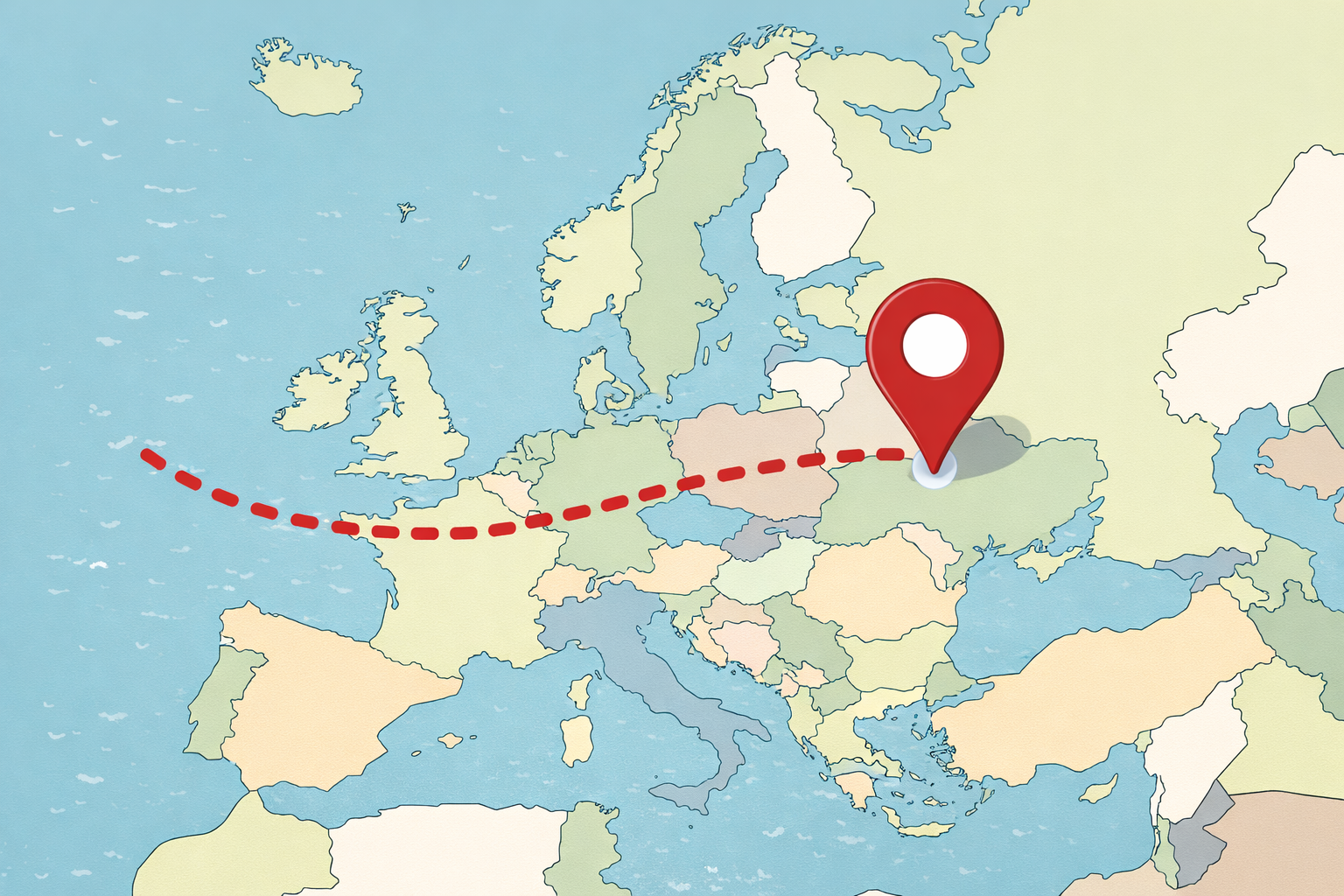
Yes. Europe is often one of the easiest regions for a first international trip. Many countries have excellent transportation, walkable cities, and tourism infrastructure. While cultures vary widely, the learning curve is generally manageable for new travelers.
-
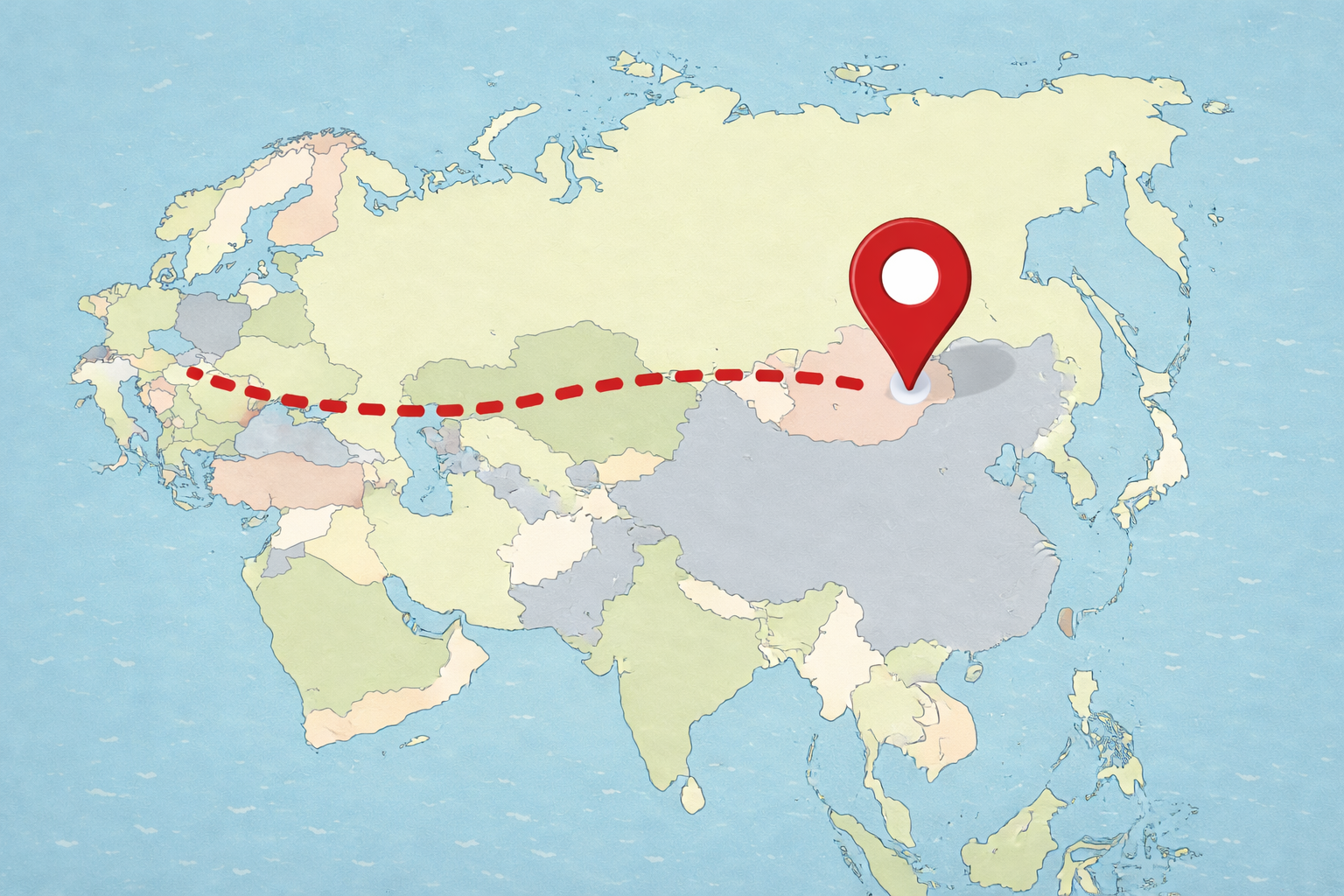
Asia can feel more unfamiliar at first, especially for Western travelers, but that’s also part of its appeal. Expect greater cultural contrast, different communication styles, and moments of sensory overload. Planning your arrival, accommodation, and transportation ahead of time helps ease the transition. Openness and patience go a long way.
-
Solo travel is common and often empowering. Safety comes down to preparation, awareness, and decision-making—not whether you’re alone. Many people find solo travel builds confidence quickly because you’re responsible for navigating each situation yourself. Use common sense. Take the US State Department travel warnings/advisories to heart, you can find them via Google search. Avoid known dangerous places and dangerous activities.
-
Long enough to settle in, but not so long that it becomes overwhelming. One week is often all some people can budget for a first trip, and that’s ok. I prefer more time if I can afford it. It gives you time to adjust, explore, and reflect without feeling rushed or exhausted, but that can be accomplished within one week too, especially for destinations that are closer to your home…